Neighborhood improvement isn’t just about sidewalks, streetlights, or fresh paint on a community center. It’s also about the quiet, everyday infrastructure that keeps families safe, businesses open, and properties stable through storms, heat, and years of wear. One of the most overlooked pieces of that puzzle is the roof—because when roofs fail, neighborhoods feel it in the form of water damage, mold risk, insurance disputes, repeated repairs, and blight that spreads faster than most people expect.
That’s why the company Pensacola Metal Roofing is a useful lens for this conversation. Even though roofing is often treated as a “private” home maintenance issue, the choices we make on the top of our homes have ripple effects for the whole street—especially in coastal and storm-prone regions like the Gulf Coast, where resilience is a community-wide priority.
Below is a practical bridge between neighborhood safety, long-term property health, and a building decision that can meaningfully reduce repeat damage: choosing durable, energy-smart roofing.
1) WHY ROOFS ARE A NEIGHBORHOOD IMPROVEMENT ISSUE

When a roof starts leaking or deteriorating, it doesn’t only affect one household. It can trigger a chain reaction that impacts the immediate block:
-
Water intrusion can lead to mold and indoor air quality issues.
-
Repeated patch jobs can become an ongoing financial drain that delays other home improvements.
-
Visible deterioration (stained ceilings, warped fascia, sagging rooflines) can contribute to neighborhood decline and lower perceived safety.
-
Storm debris from shingles or damaged materials can become a hazard for neighbors.
Neighborhood revitalization is often framed as “big projects,” but many of the most effective improvements are durability upgrades—the kind that prevent recurring problems and stabilize a street over time.
2) DURABILITY IS THE FOUNDATION OF RESILIENCE
A resilient neighborhood is one that can handle stress—storms, high humidity, extreme heat, and the surprise events nobody budgets for. Roofing is one of the clearest durability multipliers because it sits at the intersection of:
-
Wind resistance
-
Water management
-
Thermal performance
-
Maintenance cycles
-
Insurance and repair economics
Metal roofing is often chosen specifically for long service life and strong performance in harsh conditions. When installed properly as a complete system (not just “panels on a roof”), it can reduce the frequency of roof replacement cycles compared to many traditional options. That matters for neighborhoods because fewer replacements means fewer dumpsters, fewer disposal runs, fewer “half-finished” exterior projects, and fewer homes caught in a constant loop of repairs.
3) “COOLER” ROOFS CAN HELP LOWER STREET-LEVEL HEAT AND ENERGY STRAIN
Neighborhoods don’t just heat up because of weather—they heat up because of surfaces. Dark roofs and pavement absorb sunlight and push temperatures higher around homes, especially in dense areas with limited shade.
Metal roofing can support neighborhood comfort goals in two ways:
-
Reflective coatings and finishes can reduce heat absorption.
-
Ventilation-friendly assemblies (when done correctly) can help manage attic temperatures, reducing strain on HVAC systems.
While a single roof won’t change a neighborhood’s summer experience overnight, widespread adoption of energy-smart roofs can reduce localized heat and peak energy demand. And for homeowners, reduced cooling strain can mean fewer equipment failures and a bit more breathing room in monthly budgets—money that often gets redirected into other property improvements.
4) STORMWATER, DRAINAGE, AND WHY ROOF DETAILS MATTER
In many neighborhoods, water problems are never “one thing.” They’re a combination of roof runoff, gutter performance, grading, downspout placement, and how quickly water is moved away from foundations and sidewalks.
A roof upgrade can be a prime opportunity to fix the water system around a home:
-
Correct or replace gutters and downspouts
-
Extend drainage so water doesn’t dump near walkways or property lines
-
Add rain diverters in trouble spots
-
Ensure transitions, flashing, and valleys actually direct water where it should go
From a neighborhood improvement perspective, water control reduces nuisance issues like pooling at driveways, icy sidewalk spots in winter (where relevant), and repeated moisture damage that keeps properties in “repair mode.” Better water management is also one of the simplest ways to protect the long-term condition of a whole street—because runoff doesn’t respect property boundaries.
5) AESTHETICS AND PRIDE: THE “VISIBLE IMPROVEMENT” EFFECT
Some neighborhood upgrades work because they’re functional. Others work because they’re visible. Roofs are both.
When a home has a clean, uniform roofline—especially after replacing a patchwork of mismatched materials—it often creates a subtle “lift” for the block. Neighbors are more likely to:
-
repaint trim,
-
improve landscaping,
-
replace damaged fencing,
-
and maintain exteriors more consistently.
This isn’t about vanity. It’s about momentum. Neighborhood improvements spread when people feel like their area is moving in a positive direction. A roof replacement is one of the most noticeable exterior changes you can make, and it often encourages other upgrades that collectively reduce blight and improve perceived safety.
6) WHAT COMMUNITY GROUPS AND PROPERTY OWNERS CAN DO: A PRACTICAL PLAYBOOK
If your goal is neighborhood improvement—whether you’re a homeowner, landlord, community organizer, or part of a neighborhood association—here are actionable steps that connect roofing to community outcomes:
Encourage “roofing readiness” checkups
Promote seasonal inspections before storm seasons. Many costly failures begin as small flashing issues or early corrosion that’s easy to miss.
Share contractor-vetting best practices
Neighborhood groups can circulate a simple checklist:
-
proof of insurance,
-
written scope (including flashing and ventilation),
-
timeline,
-
cleanup plan,
-
warranty terms,
-
and photos of similar projects.
Prioritize water management with every roof project
Make gutters and downspout routing a standard part of “done right,” not an afterthought.
Create a “durability first” culture
When residents choose longer-lasting upgrades, the entire neighborhood benefits through fewer damaged properties and fewer repeated repairs.
Look for group pricing opportunities
In some areas, multiple homes doing upgrades in the same season can reduce mobilization costs and encourage higher-quality installation standards due to consistent oversight.
7) THE BIG PICTURE: HOW ONE ROOF CAN IMPROVE A WHOLE BLOCK
Neighborhood improvement is ultimately about stability—economic, structural, and social. Roofs sit quietly at the center of that stability because they protect everything beneath them. When neighborhoods experience repeated storm damage or chronic moisture issues, it doesn’t just harm individual homes; it chips away at confidence, property upkeep, and the sense that progress is possible.
That’s why it’s worth treating roofing as community infrastructure in disguise. A durable roof reduces emergency repairs, helps control moisture, supports energy efficiency, and keeps properties looking cared for—creating a neighborhood environment that feels safer and more resilient.
If you’re working toward safer, stronger streets, start looking up. The roof is often where long-term neighborhood improvements begin.


 Dental problems can be prevented by visiting your dentist regularly. But for some people, a dental procedure is the only way to go. You may not know it yet, but the FDA has approved many different dental procedures that will help you maintain good oral health. Reach out to
  Every year many cases come into light where young children become victims of drowning and escape from getting drowned. After the threat was recognized, Arizona State Legislature passed ARS 36-1681. According to ARS 36-1681, all the pool owners are required to receive all legal requirements for poll ownership. They also need to receive safety notice that explains the recommendations on safety of pools by Arizona Department of Health Services. The rules every pool owner must be educated with are:
 For some years now, there are tens of thousands of women who have suffered physical injuries as a result of using Transvaginal Mesh. In addition to their physical injuries, they have also suffered emotional and financial distress. In fact, many women have had to undergo more complicated and expensive surgical procedures to have the mesh removed.
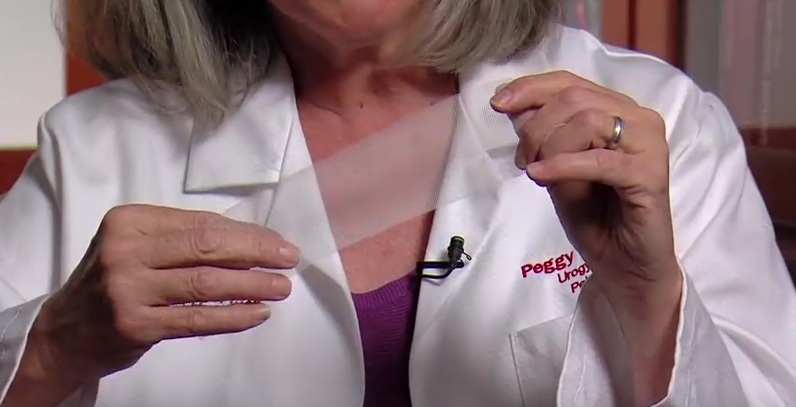 before allowing these products onto the market. For instance, Coleen Perry was awarded $5.7 million after suing Ethicon (a subdivision of Johnson & Johnson’s) for the debilitating pain caused by their mesh products.
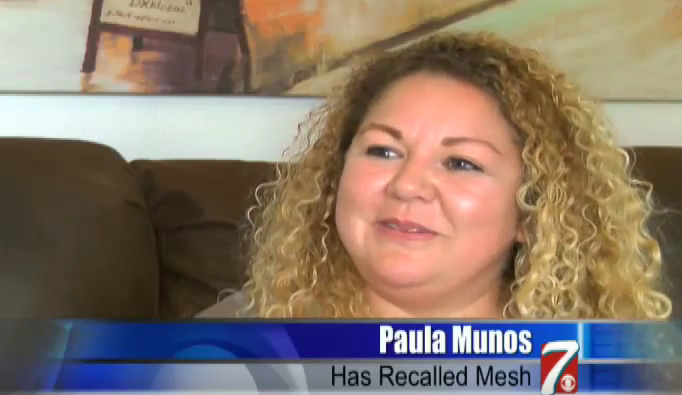 For a court-of-law to realize these facts, then it means that the government failed in regulating the way the products were manufactured, tested, and finally introduced to the market.
 The federal government has taken a rising interest in the virtual currency in the last two years, as it fears it to be a key element in the black market of illegal activities, ranging from shady Silk Road deep web transactions to remuneration for terrorist activities. Since then the US government has found ways to seize, tax and measure Bitcoin fortunes in an unprecedented way. Regulating the virtual currency has been given added effort by US financial and legal agencies, but binding rules on it are as of today not agreed upon, leaving Bitcoin in a bit of a grey area as a method of payment or even a feasible trading commodity on the world’s financial markets.